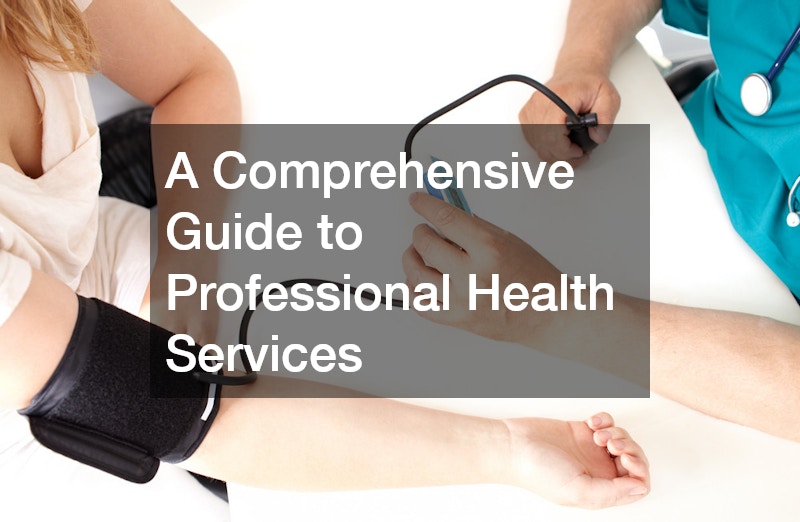
Modern healthcare is no longer a one-size-fits-all system. Patients today are navigating a complex network of providers, services, and technologies that aim to improve outcomes while enhancing quality of life. From preventative care to specialized treatment, the ability to make informed decisions is a critical component of long-term wellness. Understanding how these systems interconnect allows individuals and families to take a more proactive, strategic approach to health.
As healthcare becomes increasingly personalized, access to the right resources at the right time is essential. This includes everything from selecting specialists to integrating supportive services at home. The rise of digital health tools, telemedicine, and patient-centered care models has reshaped how people engage with providers. With the right knowledge, patients can move from reactive care to a more empowered, preventative mindset.
Navigating Modern Healthcare Systems
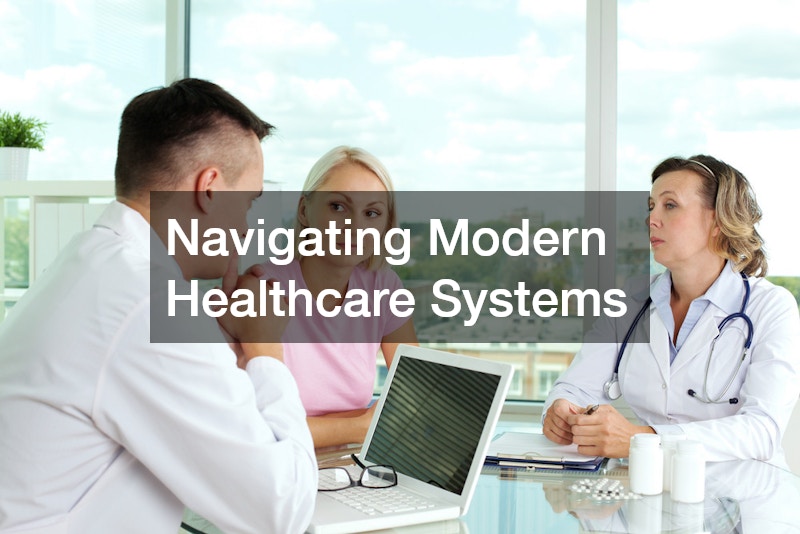
Understanding the modern healthcare ecosystem begins with recognizing the difference between primary care providers and specialists. Primary care physicians serve as the first point of contact, offering preventative screenings, routine checkups, and referrals when necessary. Specialists, on the other hand, focus on specific systems or conditions, providing deeper expertise for targeted treatments. Knowing when to transition from general care to specialized support can significantly impact both diagnosis and recovery timelines.
Choosing the right dermatologist is an important decision for maintaining both skin health and overall wellness. Skin conditions can often signal underlying health issues, making early diagnosis critical. Patients should evaluate credentials, patient reviews, and areas of specialization when selecting a provider. Access to advanced diagnostic tools and treatment options can also play a role in achieving optimal outcomes.
Integrated health networks are reshaping how care is delivered across multiple providers. These systems streamline communication between physicians, specialists, and support services, reducing redundancies and improving coordination. Patients benefit from a more cohesive experience, where medical history, test results, and treatment plans are accessible across platforms. This approach not only enhances efficiency but also reduces the risk of miscommunication and fragmented care.
Urgent and Specialized Medical Support
Medical emergencies require immediate action, and knowing where to turn can make a critical difference. Emergency dentists, for example, provide rapid intervention for severe tooth pain, trauma, or infection. Their ability to address urgent oral health issues helps prevent complications that could escalate into more serious conditions. Having access to these services ensures that patients are not left waiting during high-risk situations.
Beyond dental emergencies, 24-hour clinics and urgent care centers serve as vital resources for non-life-threatening conditions. These facilities bridge the gap between primary care and emergency rooms, offering timely treatment without the long wait times. Patients can receive care for injuries, infections, and sudden illnesses, often at a lower cost than hospital visits. This accessibility is particularly valuable for individuals managing busy schedules or limited healthcare access.
Distinguishing between acute symptoms and chronic conditions is key to seeking appropriate care. Acute issues typically arise suddenly and require immediate attention, while chronic conditions develop over time and need ongoing management. Understanding this difference helps patients choose the right level of care, whether it’s an urgent visit or a long-term treatment plan. This strategic approach can prevent unnecessary stress and ensure more effective outcomes.
Enhancing Independence at Home
For many individuals, maintaining independence at home is a top priority, especially as they age or recover from medical procedures. Partnering with a home care company can provide essential daily assistance, from personal hygiene to meal preparation. These services are tailored to individual needs, allowing patients to remain in a familiar environment while receiving professional support. This balance of independence and care contributes to both physical and emotional well-being.
A disability living service offers structured support for individuals with physical or cognitive challenges. These services often include assistance with daily activities, therapy coordination, and community engagement. By focusing on personalized care plans, they help individuals maintain dignity and autonomy. Access to these resources can significantly improve the quality of life while reducing the burden on family caregivers.
Professional caregivers play a critical role in bridging the gap between medical treatment and daily living. Their presence ensures that patients adhere to care plans, manage medications, and maintain a safe environment. This level of support is particularly beneficial for seniors who may face mobility or health challenges. Over time, consistent care can lead to improved outcomes and a higher standard of living.
Innovations in Hormonal Wellness

Hormonal health has become a focal point in modern wellness strategies, particularly as individuals seek solutions for aging-related changes. Bioidentical hormones are designed to closely match the body’s natural hormone structure, offering a more tailored approach to treatment. These therapies are often used to address symptoms such as fatigue, mood swings, and metabolic imbalances. When administered correctly, they can help restore balance and improve overall vitality.
Consulting with endocrinologists is essential when exploring hormonal therapies. These specialists evaluate hormone levels, identify imbalances, and develop targeted treatment plans. Their expertise ensures that patients receive safe and effective interventions based on their unique physiology. Regular monitoring is also crucial to adjust dosages and maintain optimal results over time.
Personalized wellness plans are redefining how individuals approach long-term health. Rather than relying on generic solutions, patients can now access treatments tailored to their specific needs and goals. This includes lifestyle modifications, nutritional guidance, and targeted therapies. By addressing the root causes of imbalance, these plans support sustainable health improvements.
Accessible Solutions for Pediatric Care
Creating a safe and supportive environment for children with unique healthcare needs requires thoughtful planning. Wheelchair accessible cribs are designed to provide both safety and ease of use for caregivers and children alike. These specialized designs allow for better accessibility, reducing physical strain while ensuring the child’s comfort. Incorporating adaptive equipment into the home can make daily routines more manageable.
Pediatric specialists play a vital role in monitoring developmental milestones and addressing early concerns. These professionals are trained to identify potential delays and recommend appropriate interventions. Early detection and treatment can significantly improve long-term outcomes. Parents who actively engage with specialists are better equipped to support their child’s growth and development.
Support systems for families extend beyond medical care, encompassing emotional and logistical assistance. Community programs, support groups, and educational resources provide valuable guidance. These networks help families navigate challenges while fostering a sense of connection. Access to comprehensive support can make a meaningful difference in managing complex healthcare needs.
Advanced Equipment for Restorative Sleep
Quality sleep is a cornerstone of recovery and overall health, particularly for individuals with medical conditions. Special needs beds are engineered to provide enhanced support, safety, and comfort for patients with specific requirements. Features such as adjustable positioning and pressure relief contribute to better sleep quality. These innovations are especially beneficial for individuals with mobility limitations or chronic conditions.
Occupational therapists often play a key role in optimizing sleep environments. They assess individual needs and recommend equipment or modifications that promote comfort and safety. Their expertise ensures that patients receive solutions tailored to their physical capabilities. This collaborative approach helps maximize the effectiveness of sleep-related interventions.
Navigating insurance coverage for durable medical equipment can be complex. Patients and caregivers must understand eligibility requirements, documentation, and provider networks. Working with knowledgeable professionals can simplify this process and ensure access to necessary equipment. Proper planning can reduce financial strain while securing essential resources.
Mobility and Freedom of Movement
Maintaining mobility is essential for independence and overall quality of life. A mobility scooter provides a practical solution for individuals who need assistance with movement but wish to remain active. These devices are designed for ease of use, offering features such as adjustable seating and long battery life. Choosing the right model depends on factors like terrain, usage frequency, and personal comfort.
Regular maintenance is critical to ensuring the safety and longevity of mobility devices. This includes checking battery performance, inspecting tires, and addressing any mechanical issues promptly. Proper upkeep not only extends the lifespan of the equipment but also reduces the risk of accidents. Users who follow maintenance guidelines can enjoy greater reliability and peace of mind.
Technological advancements are continually improving accessibility solutions. Innovations in design and functionality are making mobility devices more efficient and user-friendly. From lightweight materials to smart navigation features, these developments are expanding possibilities for users. As technology evolves, the gap between limitation and independence continues to narrow.
Logistical Support and Patient Transit
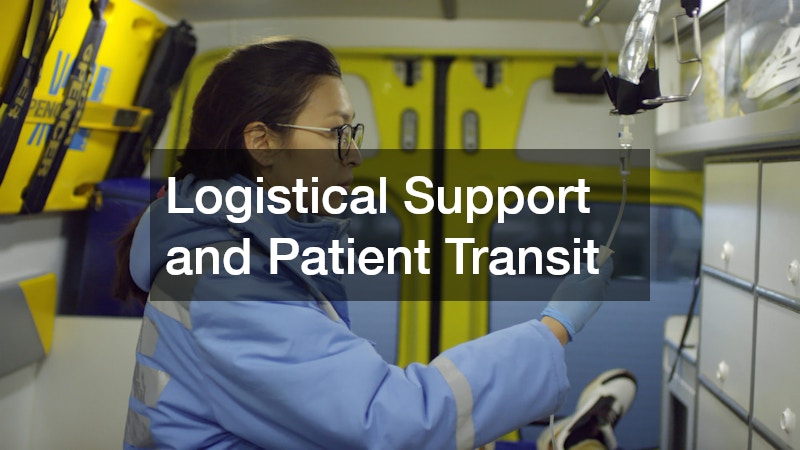
Accessing healthcare often requires reliable transportation, particularly for individuals with mobility challenges. A medical transportation service provides a structured solution for non-emergency travel to appointments and treatments. These services are equipped to handle specific patient needs, ensuring safety and comfort throughout the journey. Reliable transportation reduces missed appointments and supports consistent care.
Coordination between transportation providers and healthcare facilities is essential for seamless service. Scheduling systems, communication protocols, and patient tracking all contribute to efficiency. When these elements align, patients experience fewer delays and improved overall satisfaction. This level of organization is especially important for individuals with complex medical schedules.
Reducing barriers to care involves addressing logistical challenges that may otherwise prevent access. Transportation is a key factor in ensuring that patients receive timely treatment. By investing in reliable transit solutions, healthcare systems can improve outcomes and patient engagement. Accessibility in this area is a critical component of modern healthcare delivery.
Pharmaceutical Care and Medication Management
Pharmaceutical care has evolved beyond simply dispensing medications. Pharmacies now play an active role in patient education, offering guidance on proper usage and potential side effects. Pharmacists are highly trained professionals who can identify drug interactions and recommend alternatives when necessary. Their expertise is an essential component of safe and effective treatment plans.
Medication management is particularly important for individuals with multiple prescriptions. Keeping track of dosages, schedules, and interactions can be challenging without proper support. Pharmacists can assist in creating structured plans that reduce confusion and improve adherence. This proactive approach helps prevent complications and enhances treatment outcomes.
Digital advancements have transformed how patients access medications. Online prescriptions, automated refills, and home delivery services offer convenience and efficiency. These innovations are especially beneficial for individuals with limited mobility or busy schedules. By streamlining the process, patients can focus more on their health and less on logistics.
Long-Term Health Planning and Strategy
Building a comprehensive healthcare strategy requires collaboration among multiple professionals. This may include primary care physicians, specialists, therapists, and support providers. Each plays a unique role in addressing different aspects of health. A coordinated approach ensures that all elements of care are aligned and effective.
Preventive screenings are a cornerstone of long-term health planning. Regular checkups and early detection can significantly reduce the risk of serious conditions. Patients who prioritize preventative care are better positioned to maintain overall wellness. This proactive mindset shifts the focus from treatment to prevention.
Budgeting for healthcare services and equipment is an often-overlooked aspect of planning. Costs can vary widely depending on the level of care required. Understanding insurance coverage, out-of-pocket expenses, and available resources is essential for financial stability. Strategic planning allows patients to access necessary services without unnecessary stress.
Navigating modern healthcare requires a balance of knowledge, strategy, and access to the right resources. From specialized care to home-based support, each component plays a role in achieving optimal health outcomes. By understanding the available options, patients can take a more active role in their care journey. This empowerment leads to better decisions, improved quality of life, and long-term wellness.
As healthcare continues to evolve, staying informed is more important than ever. Advances in technology, treatment methods, and patient support systems are creating new opportunities for personalized care. Individuals who embrace these changes are better equipped to manage their health effectively. A proactive approach ensures that care is not only reactive but also preventative and strategic.
Ultimately, the goal of modern healthcare is to support individuals in living healthier, more independent lives. By leveraging the tools and services available, patients can overcome challenges and achieve their wellness goals. With the right approach, navigating healthcare becomes less overwhelming and more empowering.
Looking ahead, the most effective healthcare strategies will be those that integrate prevention, personalization, and accessibility into a single, cohesive approach. Patients who actively evaluate their options, leverage emerging technologies, and build strong relationships with providers will be better positioned to adapt as the system continues to evolve. This includes staying informed about new treatments, reassessing care plans as needs change, and prioritizing both physical and mental well-being. By treating healthcare as an ongoing investment rather than a reactive necessity, individuals can create a sustainable path toward long-term health and resilience.